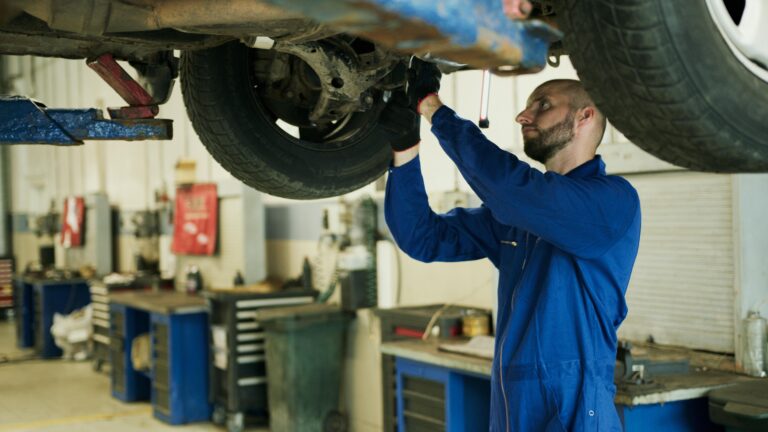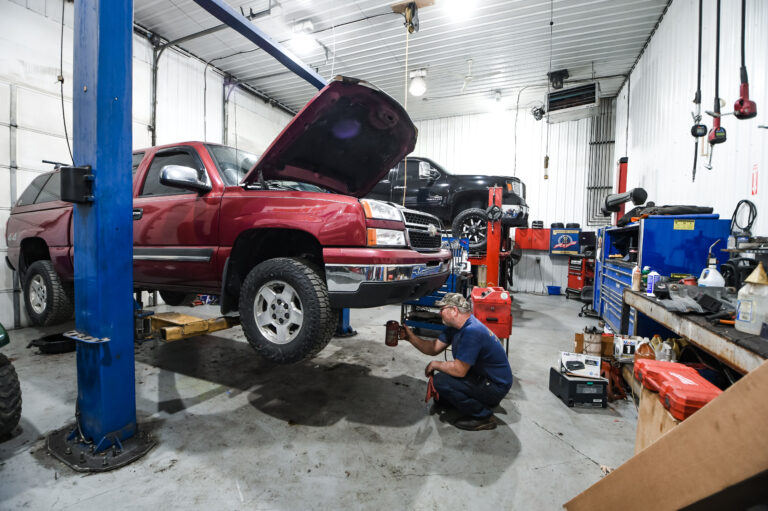
How Often Should I Get Preventive Maintenance Services Performed?
|

How Often Should I Get Preventive Maintenance Services Performed?

In general, you should have oil changes performed every 3,000 – 5,000 miles and other tasks like tire rotations, brake checks and fluid inspections should be done every 6,000 – 12,000 miles. Major services like replacing the timing belt, spark plugs and transmission services typically happen every 30,000 – 100,000 miles. Always refer to your…

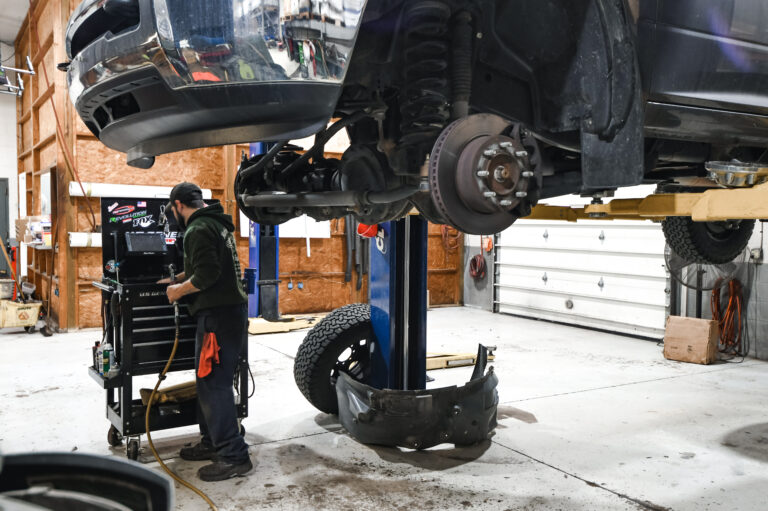
Doesn’t a Code Scanner Tell You What is Wrong with a Vehicle?
|

Doesn’t a Code Scanner Tell You What is Wrong with a Vehicle?

While a code scan helps identify potential issues by providing trouble codes, it doesn’t always give a complete or definitive diagnosis. It’s a helpful tool but often needs to be supplemented by physical inspections or further testing to accurately determine what’s wrong with the vehicle. Not Sure What’s Causing That Warning Light or Performance Issue?…

What are Symptoms of a Faulty A/C Compressor?
|

What are Symptoms of a Faulty A/C Compressor?

Symptoms of a faulty A/C compressor include: No Cold Air: The A/C blows warm air instead of cold air. Strange Noises: Grinding, squealing, or clicking noises when the A/C is turned on. A/C Not Cooling Properly: Inconsistent or fluctuating temperatures inside the cabin. Leaking Refrigerant: Visible refrigerant leaks around the compressor area. Clutch Not Engaging:…

What are the Symptoms of a Bad Brake Chamber?
|

What are the Symptoms of a Bad Brake Chamber?

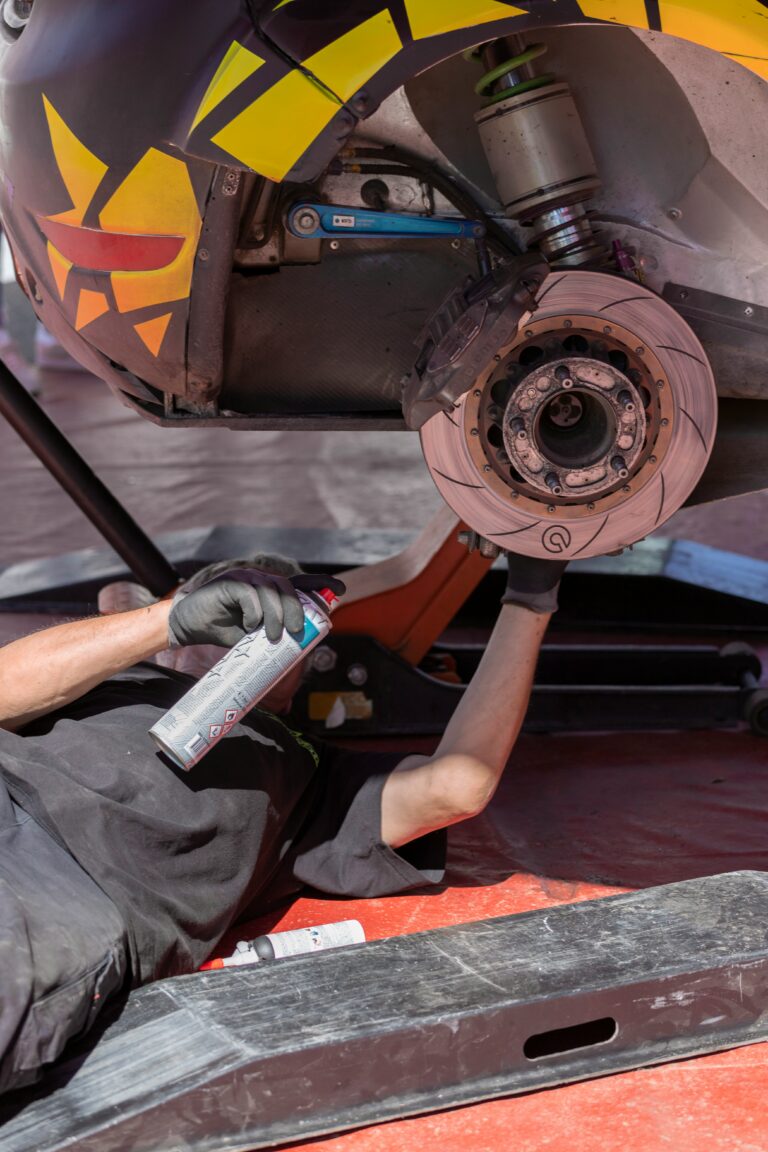
Symptoms of a bad brake chamber include: Weak or no braking power due to insufficient pressure. Air leaks with a hissing sound or visible air loss. Inconsistent braking with uneven brake performance. Hard or soft brake pedal feel. Warning lights or alerts indicating brake system issues. Increased stopping distance due to ineffective braking. If any…

What is a Wheel Seal?
|

What is a Wheel Seal?

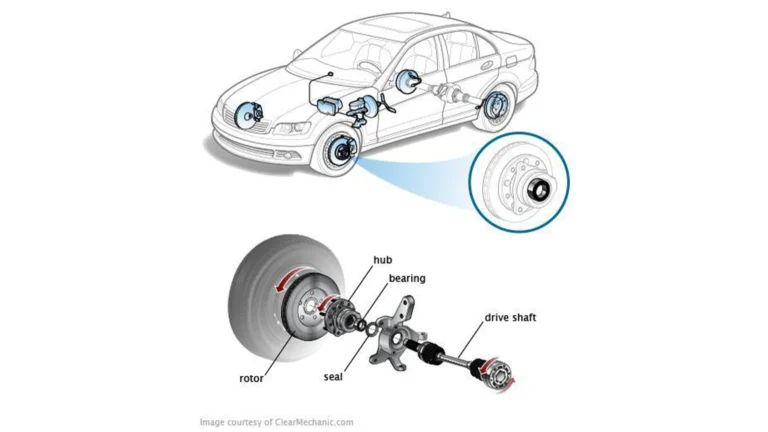
A wheel seal is a component that keeps lubricant inside the wheel bearings and prevents contaminants (like dirt and water) from entering. It helps maintain proper lubrication and protects the bearings, ensuring smooth wheel rotation and extending bearing life. If damaged, it can lead to leaks, bearing wear, or contamination, so it’s important to inspect…

What is a Turbo?
|

What is a Turbo?

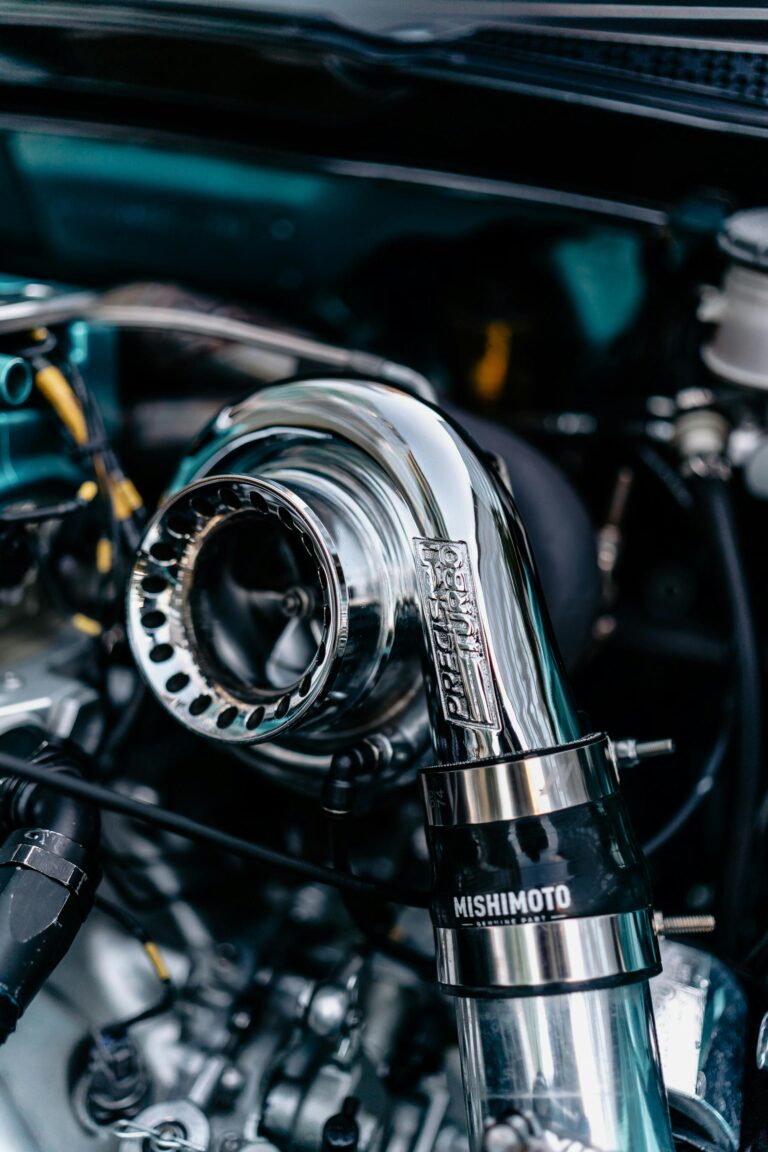
A turbocharger boosts an engine’s power and efficiency by forcing extra air into the cylinders, allowing more fuel to be burned and increasing power without enlarging the engine. It is powered by exhaust gases and improves both performance and fuel efficiency. There are different types, including single turbos, twin-turbos, and variable geometry turbos.

What is a “Tune-Up”?
|

What is a “Tune-Up”?

A vehicle tune-up is regular maintenance that involves replacing and checking key engine components, such as spark plugs, air and fuel filters, fluids, belts, and the ignition system, to ensure optimal performance, fuel efficiency, and reliability. It’s usually done at scheduled intervals based on the vehicle’s age and manufacturer guidelines.

What is a Strut?
|

What is a Strut?

A strut is an essential suspension component that combines a shock absorber and coil spring. It helps provide a smooth ride, improves vehicle stability, and supports the vehicle’s weight. When struts are worn or damaged, they can lead to poor handling, uneven tire wear, and a rougher ride.